

Jean Christian Bourcart
France, 1960
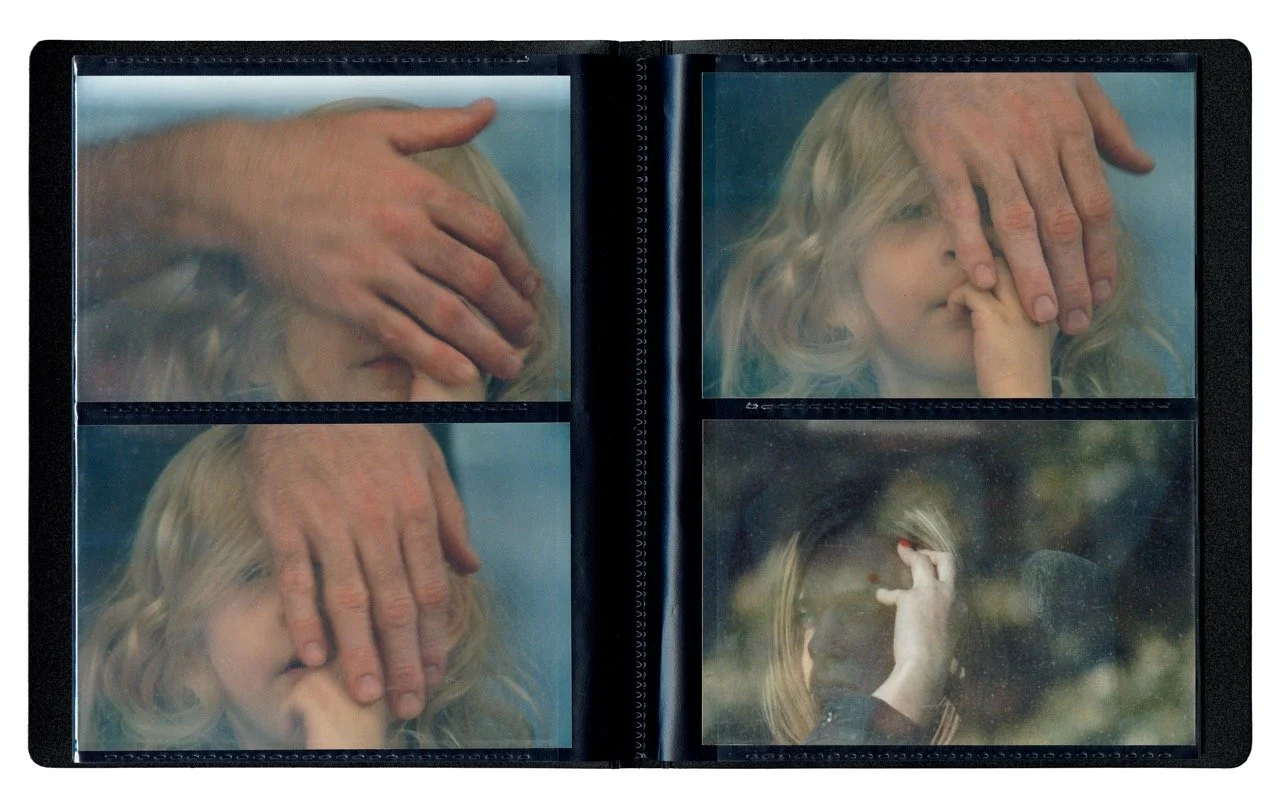
Carnets New-Yorkais is Jean-Christian Bourcart’s immersive, unfiltered dive into the city where he lived for many years. Newly arrived in New York in the late 1990s, he “made a living” producing corporate and showbiz images, clean, polished, seamless photography that, despite himself, contributed to the construction of a certain American dream, whose real name is capitalism. Very quickly, the gap between this controlled image and the America he experienced daily pushed him to seek another way of seeing.
Encouraged by the purchase of several of his prints by the MoMA and driven by an instinct for artistic survival, Bourcart began practicing a form of anti-photography; instinctive, raw, and torn from reality. With a small amateur camera, he photographed without premeditation whatever surrounded him: sidewalks, storefronts, crowds, parades, taxis, cinemas, traffic jams, underground clubs, slogans, the ruins of the World Trade Center, a world crossed, absorbed, questioned.
In Carnets New-Yorkais, New York is not represented; it is lived. The city appears shifting, porous, contradictory. The photographs oscillate between documentary and hallucinatory visions, capturing fragments of the real: bodies in motion, fleeting encounters, moments of tenderness or violence, while allowing the unconscious to surface.
This body of work is rooted in a pivotal era: the turn of the millennium, the 9/11 attacks, the Iraq War, the subprime economic crisis. It would give rise to several major series, Traffic, Forbidden City, and Stardust, now widely exhibited and published. Nearly a thousand sheets of these albums remained for eighteen years in a basement, until their rediscovery and acquisition by the Musée Nicéphore Niépce.
With Carnets New-Yorkais, Bourcart continues his reflection on desire, solitude, and shared human condition. The work rejects the idea of a fixed or iconic New York; it reveals a city in perpetual metamorphosis one that shapes, unsettles, and absorbs those who inhabit it. The one hundred sheets presented here, drawn from a corpus of more than a thousand, form a raw, sensitive, deeply human visual notebook, where the personal merges with the collective, and where each image still seems ready to be rewritten.
Sans titre, Carnets New Yorkais, 1998 - 2005, Fine art laminated print, 28 x 45 cm
-
SOLO EXHIBITIONS (SELECTION)
2024 Musée Nicéphore Niépce, Chalon-sur-Saône, FR
Carnets New-yorkais, Galerie Les filles du calvaire, Paris, FR
2022 Imanaho, Château de Clervaux, Clervaux, LU
2021 Au bord du reél, Fondation M.R.O, Arles, FR
2021 F.S.A., l’inconscient de Roy Stryker, Galerie 8 Belze, Arles, FR
2020 Black Sheet, Festival Manifesto, Toulouse, FR
Vous pouvez vous reveiller, l’univers est fini, Fondation MRO, Arles, FR
2019 L’oiseau noir perché à droite dans ma tête, Fisheye Galerie, Paris, FR
2018 Une excuse pour regarder, Musée Nicephore Niepce, Chalon-sur-Saône, FR
2017 Humano Todavia, Valenzuela Klenner Gallery, Bogota, CO
Camden, Chongqing festival, CN
2016 The dawn came but no day, Festival « Portraits », Vichy, FR
Camden, International Photographic festival, Zheng-zhou, CN
2015 All about Love, Galerie VU’, Paris, FR
Camden, Invisible Dog Art center, Brooklyn, USA
2014 All about Love, Black Box Gallery, Brooklyn, USA
2013 Exerts, Roger Williams University, Bristol, USA
Tana, Institut français, Antananarivo, MG
2012 Traffic, Shanghai Gallery of Art, CN
2010 Camden, NJ, Museum für Photographie Braunschweig, DE
2009 Camden, NJ, Rencontres Photographiques d’Arles, FR
2008 Le plus beau jour de la vie, Rencontres Photographiques d’Arles, FR
2007 Musée du Jeu de Paume, Paris, FR
2006 Traffic, Fototeca, Monterrey, MX
2005 Traffic, Galerie Alvaro Roquette, Lisbonne, PT
2004 Traffic, Galerie Léo Scheer, Paris, FR
2002 Le plus beau jour de la vie, Kagan Martos Gallery, New York, USA
2001 Si près, si loin, Galerie Serge Aboukrat, Paris, FR
2000 Forbidden City, Kagan Martos Gallery, New York, USA
GROUP EXHIBITIONS (SELECTION)
2023 50 ans de Libération, Abbaye de Montmajour, Arles et archives nationales, Paris, FR
2022 Fragiles, Images Singulières, Sète, FR
2021 Ahlan Wa Sahlan, Invisible Dog Art Center, Brooklyn, New York, USA
2020 Behind Desire, Chaussee 36, Berlin, DE
2018 The Modern Look, Modern Art Basel, Shanghai, CN
2017 On Freedom, Aperture Fondation, New York, USA
2016 L’oeil de l’expert, Musée Nicephore Niepce, Chalon-sur-Saône, FR
2015 Collaborations Olympus, Galerie Les filles du Calvaire, Paris, FR
2014 Les désastres de la guerre, Musée du Louvre-Lens, Lens, FR
2013 XXX, MABsociety, Shanghai, CN
2012 Maxima, Shanghai gallery of Art, CN
2011 The Unseen Eye, George Eastman House, Rochester, USA
2010 Now We Are Six, Andrea Meislin gallery, New York, USA
2009 Collateral Damage, Powerhouse Arena, Brooklyn, New York, USA
2008 OIKOS LOVE LOVE LOVE, Martos Gallery, New York, USA
2007 Hans Weiss Newspace Gallery, Manchester, USA
2006 Isabelle Huppert, Metropolitan Museum of Photogra-phy, Tokyo, JP
2005 After Hopper, Bonni Benrubi Gallery, New York, USA
2004 Art faces, Kunsthalle Würth, Künzelsau, DE
2003 Prix Gilles Dusein, Maison Européenne de la Photographie, Paris, FR
2002 La nuit, l’oubli, M.A.M.C.O., Genève, CH
2001 Collection d’artistes, Musée Yvon Lambert, Avignon, FR
2000 Toys, Kagan Martos Gallery, New York, USA
AWARDS
2022 Le prix du portrait Bertrand de Demandolx-Dedons
Amis des Beaux-Arts, Paris, FR
Le 1er prix de la Sarrcollection à la 2e édition CRUCH
Beaux-Arts de Paris
2018 Le 3ème prix régional Nuit Blanche organisé par le Crous de Lille nord pas de callais, Lille, FR
2011 Prix Nadar
2011 Nominated for Le Prix Pictet
2010 Prix Niepce
CP Awards
Nominated for Le Prix Pictet
2006 Prix du du Jeu de Paume
1999 Prix Gilles Dusein
1997 Prix du Jury, Festival d’Annecy
1991 World Press Awards, 2e prix catégorie Art
1984 Prix Polaroïd de la créativité
COLLECTIONS
Southeast Museum of Photography, Daytona Beach, USA
Museum Of Modern Art, New York, USA
Museum Brandhorst, Munich, DE
Musée d’Art Moderne et Contemporain, Genève, CH
Shengda Art Museum, CN
Chrysler Museum of Art, Norfolk, Virginie, USA
Fonds National d’Art Contemporain, Paris, FR
Maison Européene de la Photographie, Paris, FR
Bibliothéque Nationale, Cabinet des Estampes, Paris, FR
Bibliothéque Nationale, Cabinet des Estampes, Paris, FR
Musée Nicéphore Niépce, Chalon-sur-Saône, FR
Banque Neuflize Schlumberger Mallet, Paris, FR
Soros Foundation, Obala Center, Sarajevo, BIH
New York Historical Society, New York, USA
The Eva Felten Photography Collection, Munich, DE
The Unseen Eye, W.M. Hunt’s collection.
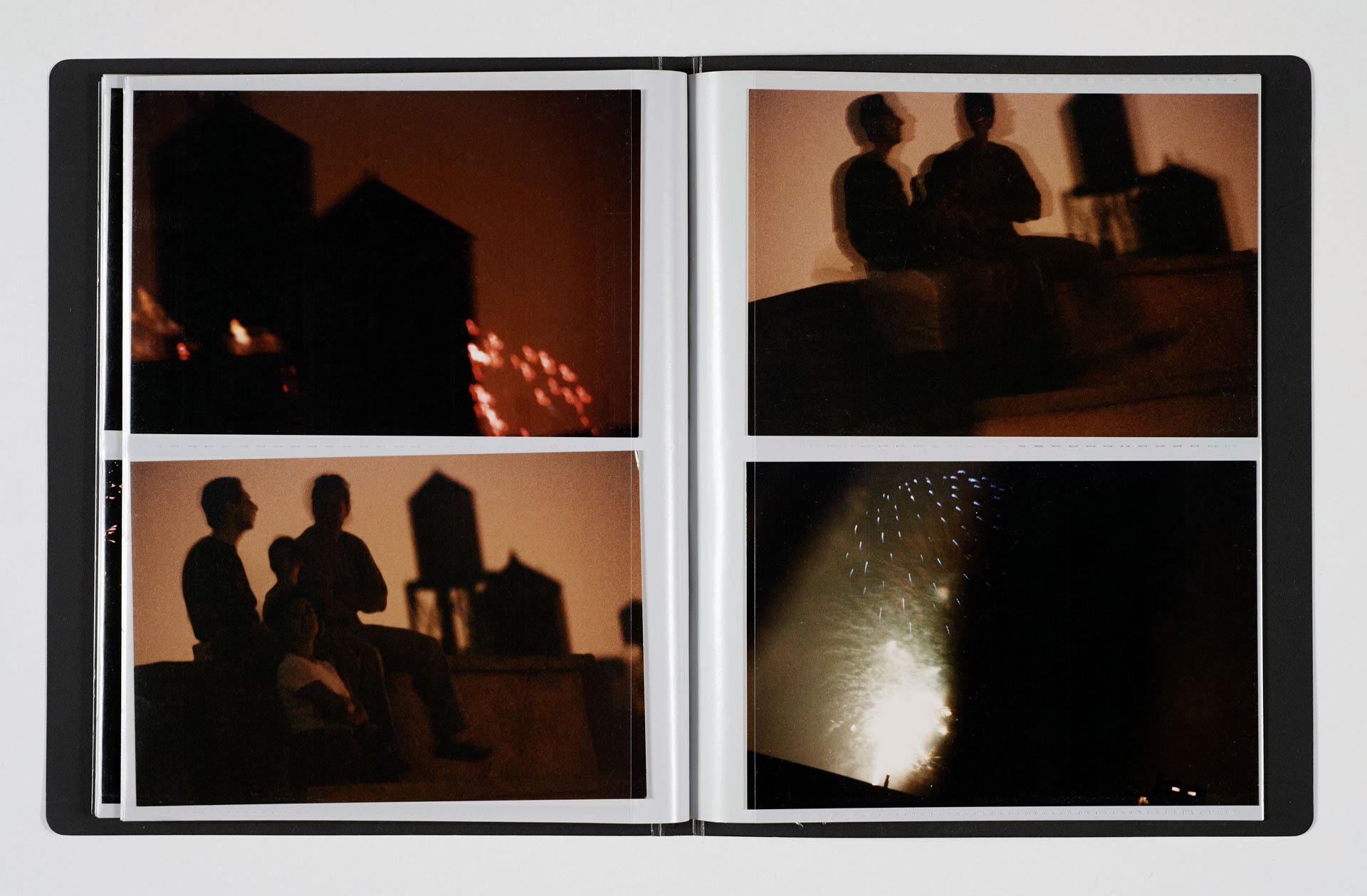
Sans titre, Carnets New Yorkais, 1998 - 2005 Fine art laminated print, framed Unique piece 28 x 45 cm
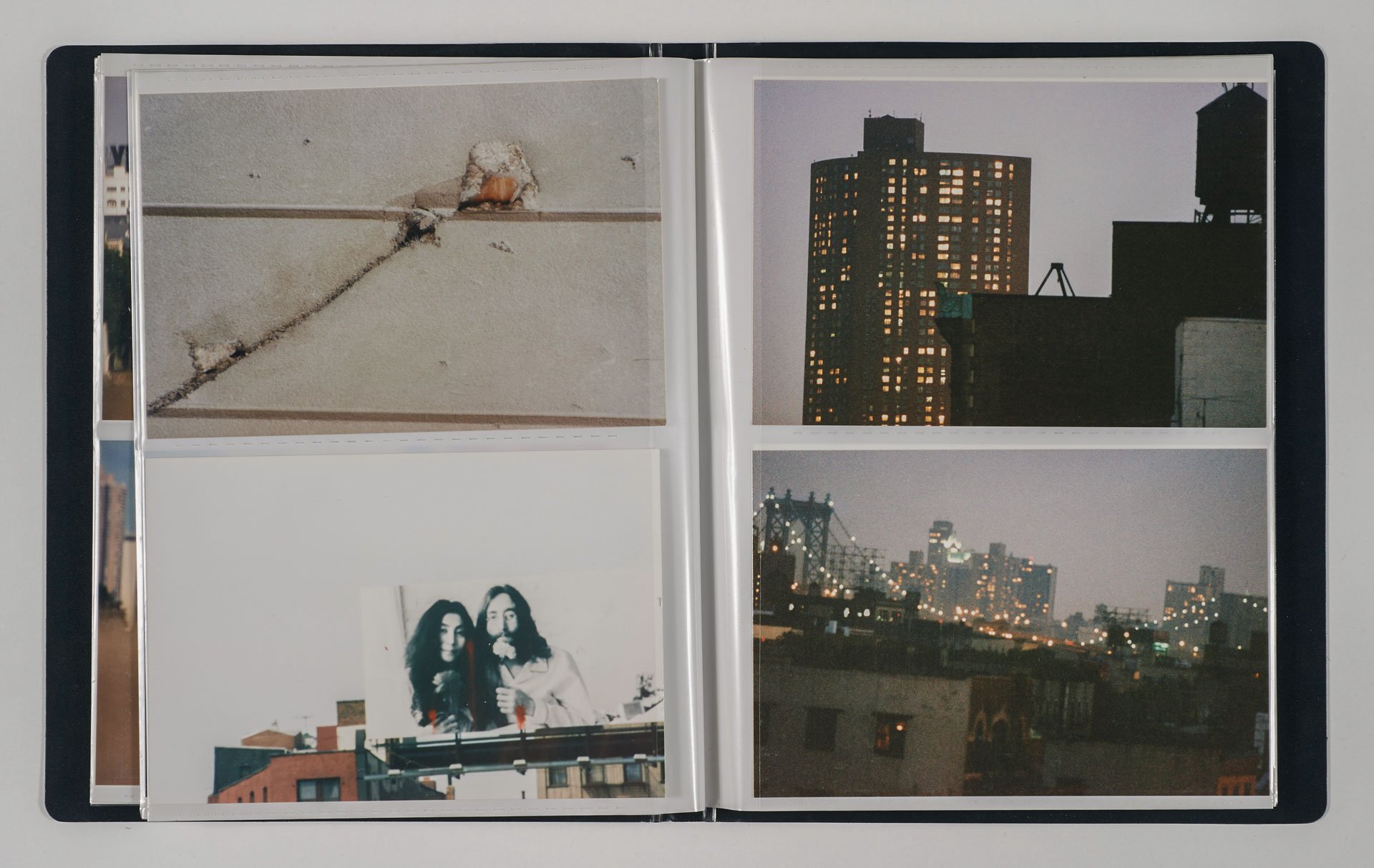
Sans titre, Carnets New Yorkais, 1998 - 2005 Fine art laminated print, framed Unique piece 28 x 45 cm
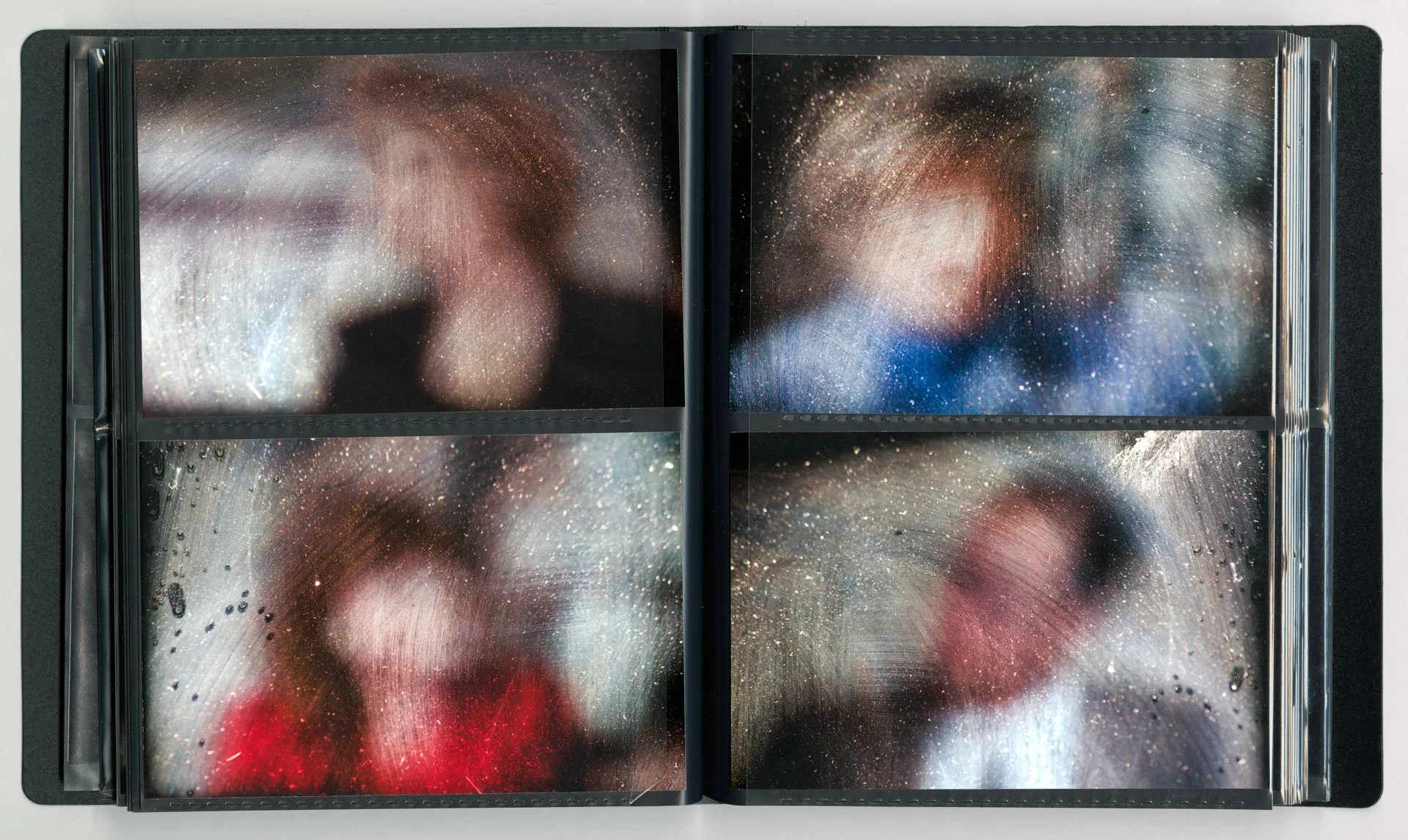
Sans titre, Carnets New Yorkais, 1998 - 2005 Fine art laminated print, framed Unique piece 28 x 45 cm
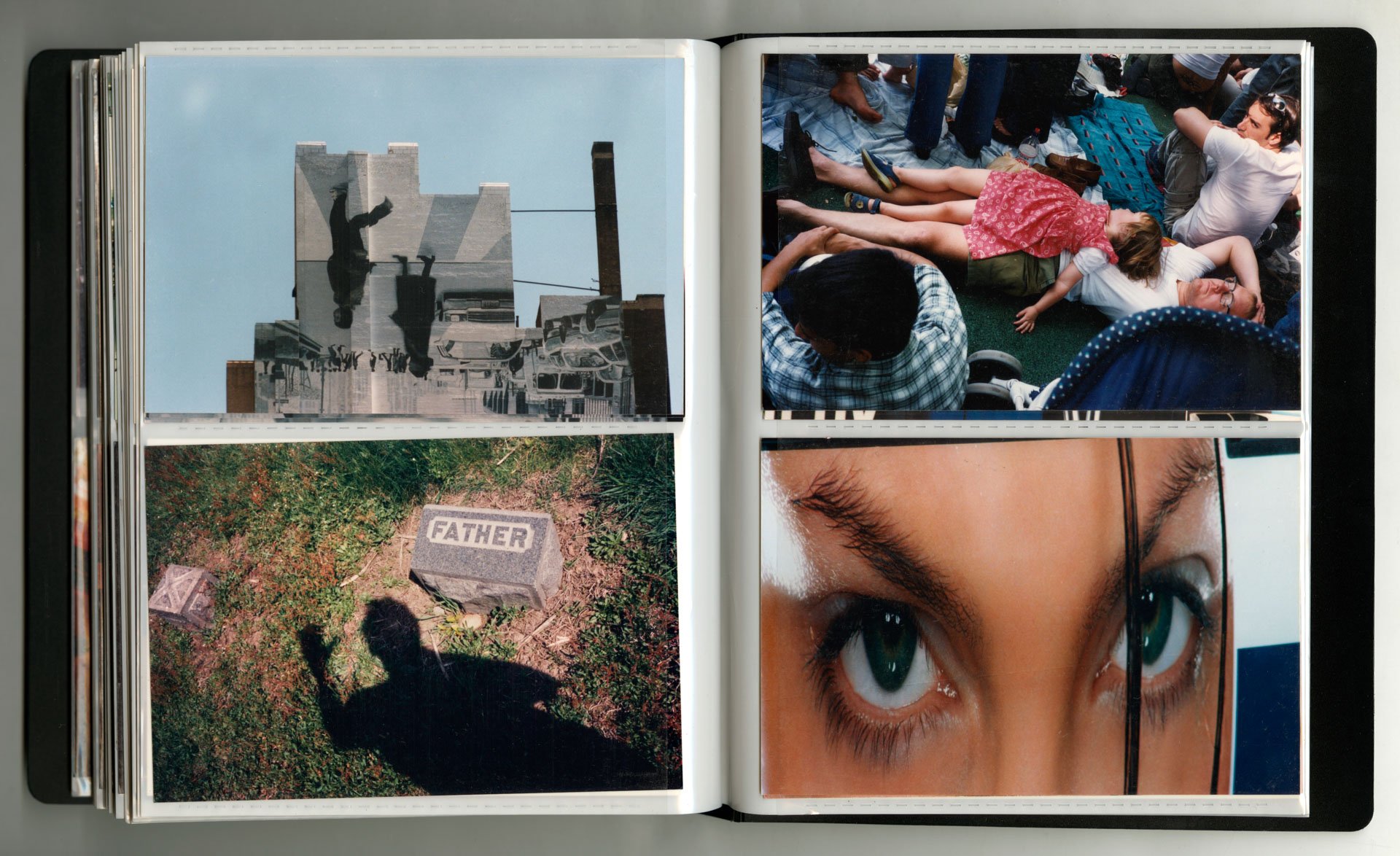
Sans titre, Carnets New Yorkais, 1998 - 2005 Fine art laminated print, framed Unique piece 28 x 45 cm
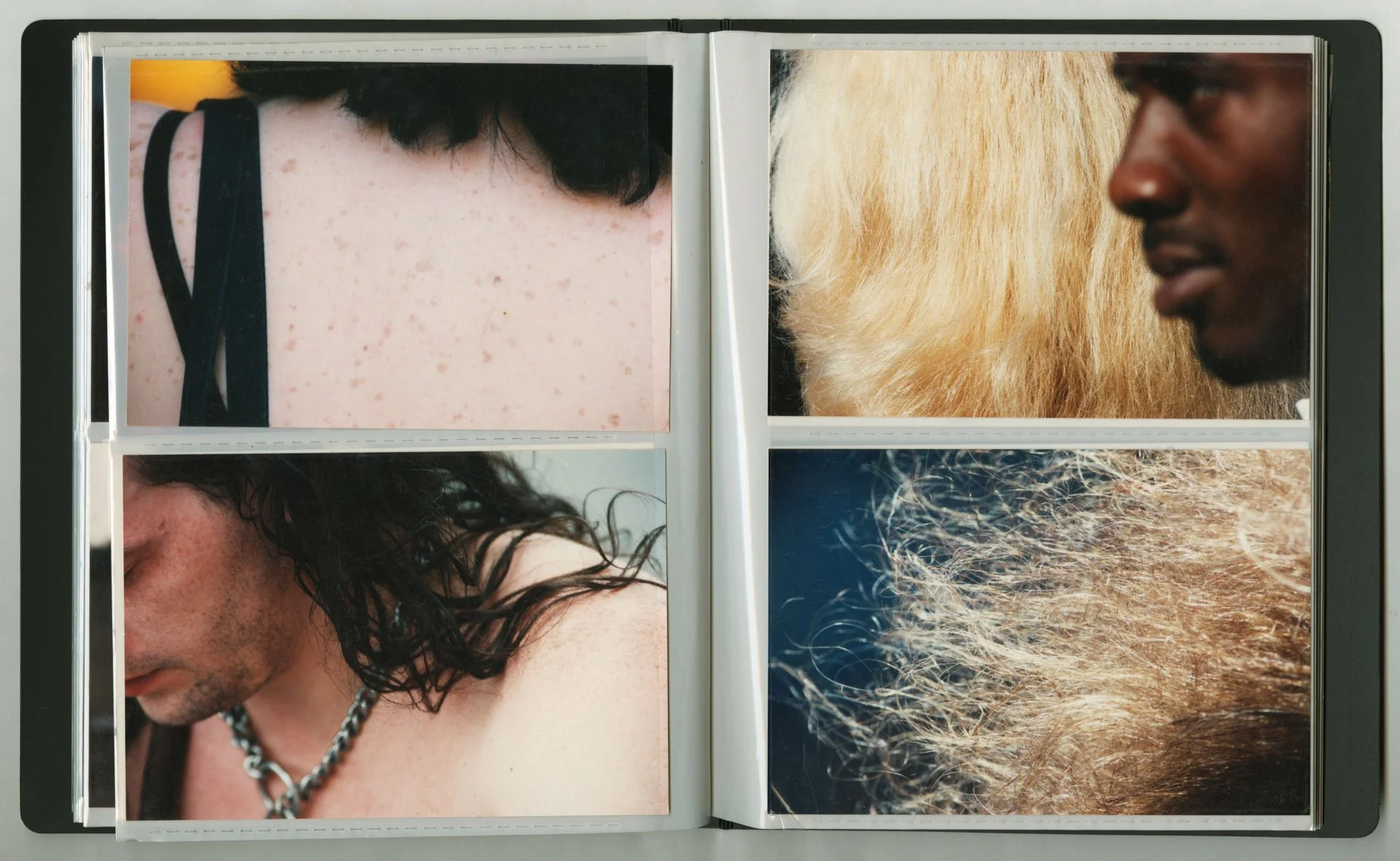
Sans titre, Carnets New Yorkais, 1998 - 2005 Fine art laminated print, framed Unique piece 28 x 45 cm
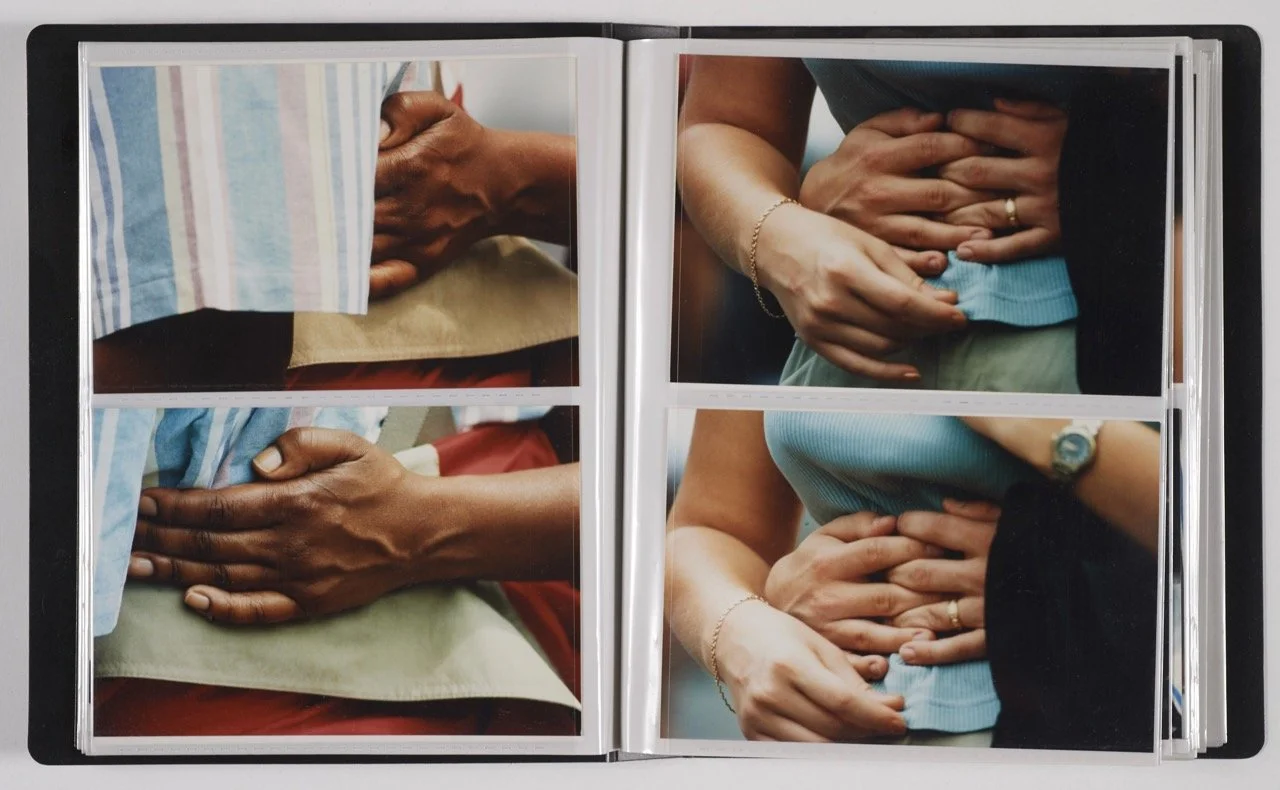
Sans titre, Carnets New Yorkais, 1998 - 2005 Fine art laminated print, framed Unique piece 28 x 45 cm
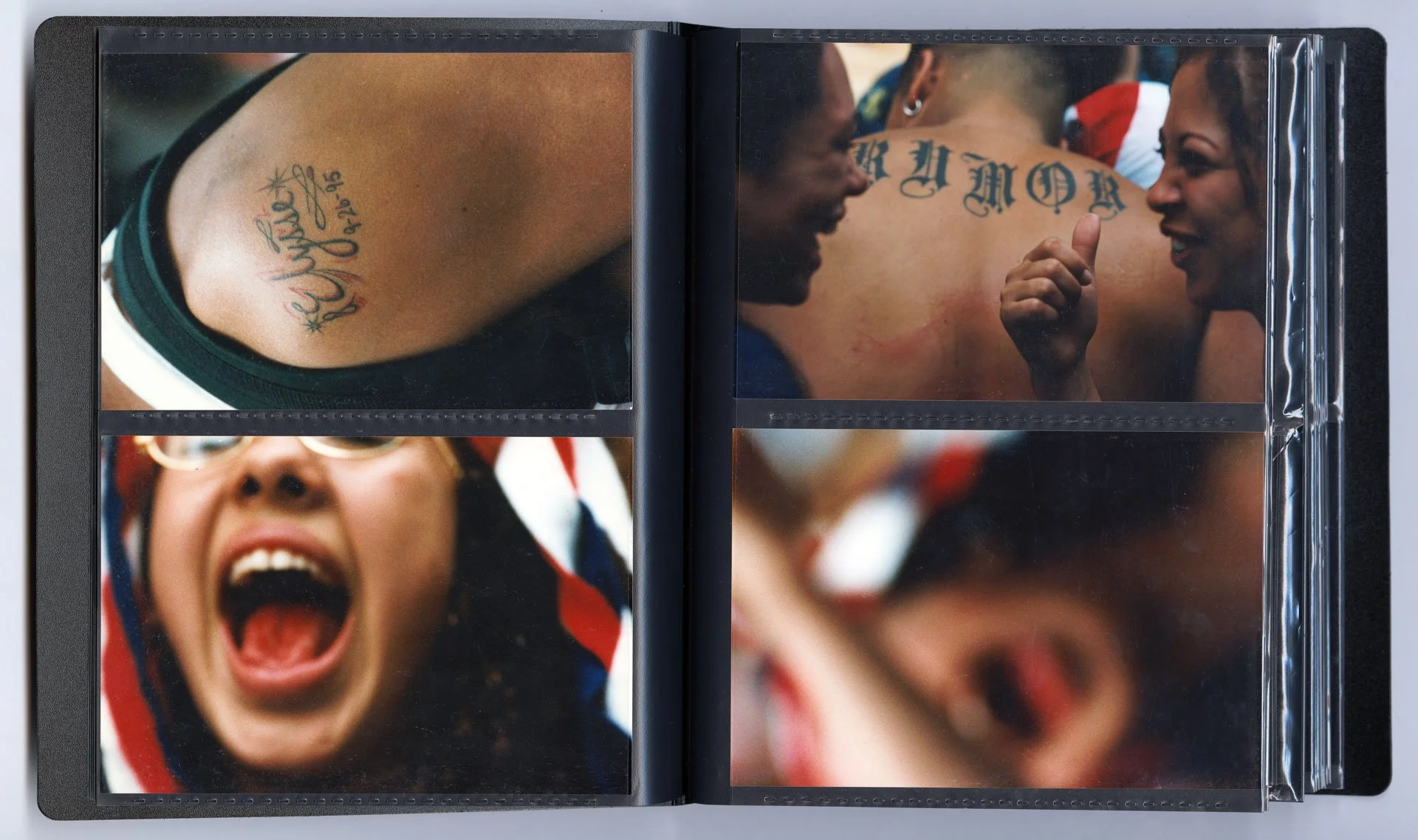
Sans titre, Carnets New Yorkais, 1998 - 2005 Fine art laminated print, framed Unique piece 28 x 45 cm
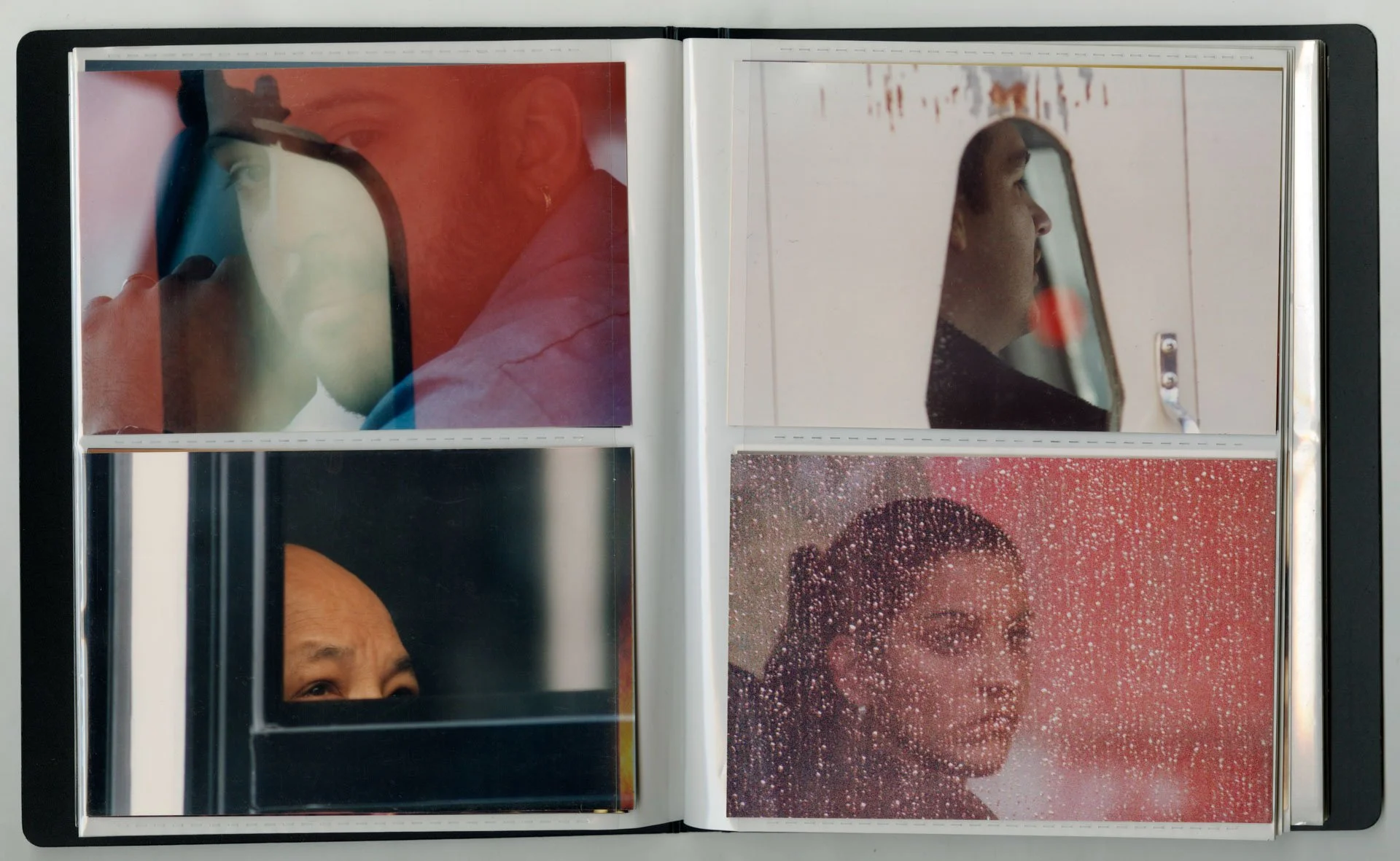
Sans titre, Carnets New Yorkais, 1998 - 2005 Fine art laminated print, framed Unique piece 28 x 45 cm
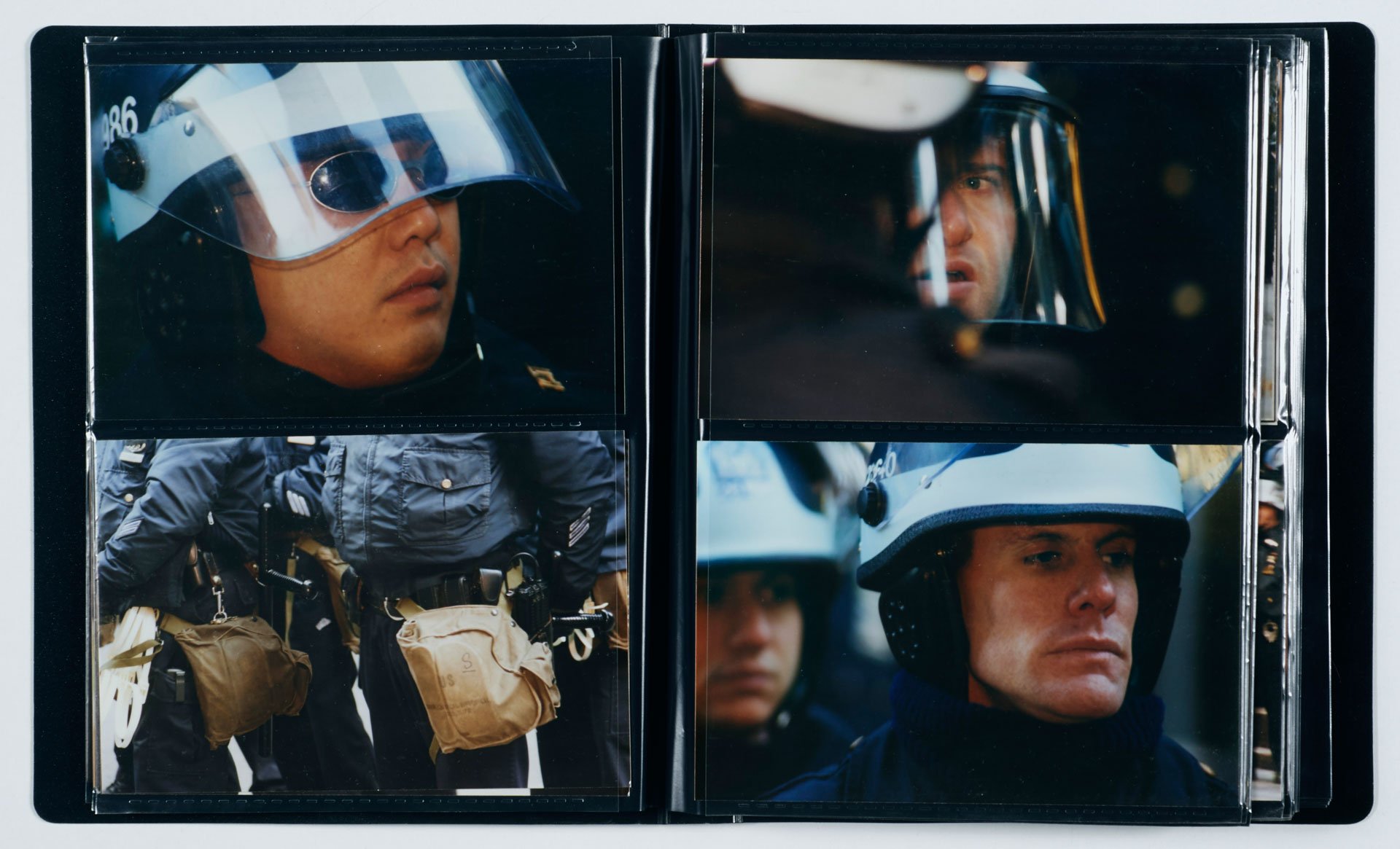
Sans titre, Carnets New Yorkais, 1998 - 2005 Fine art laminated print, framed Unique piece 28 x 45 cm
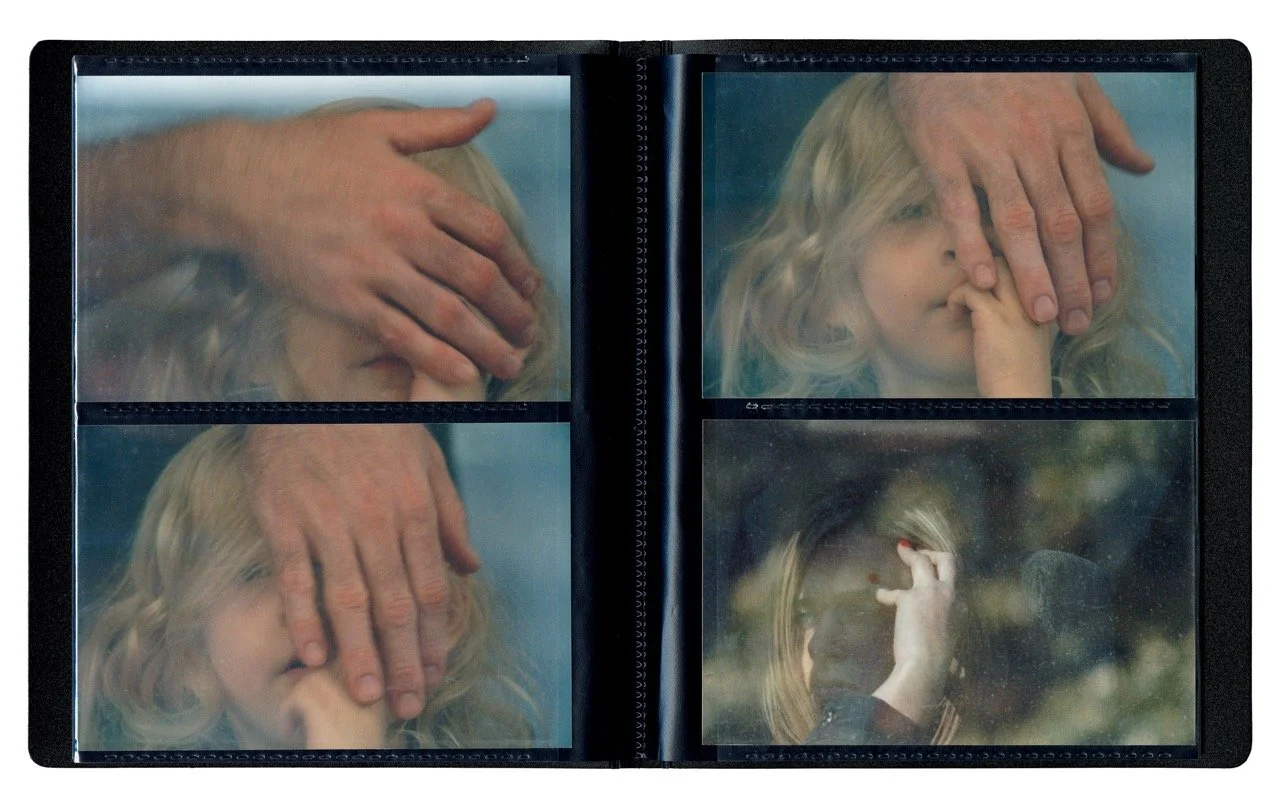
Sans titre, Carnets New Yorkais, 1998 - 2005 Fine art laminated print, framed Unique piece 28 x 45 cm
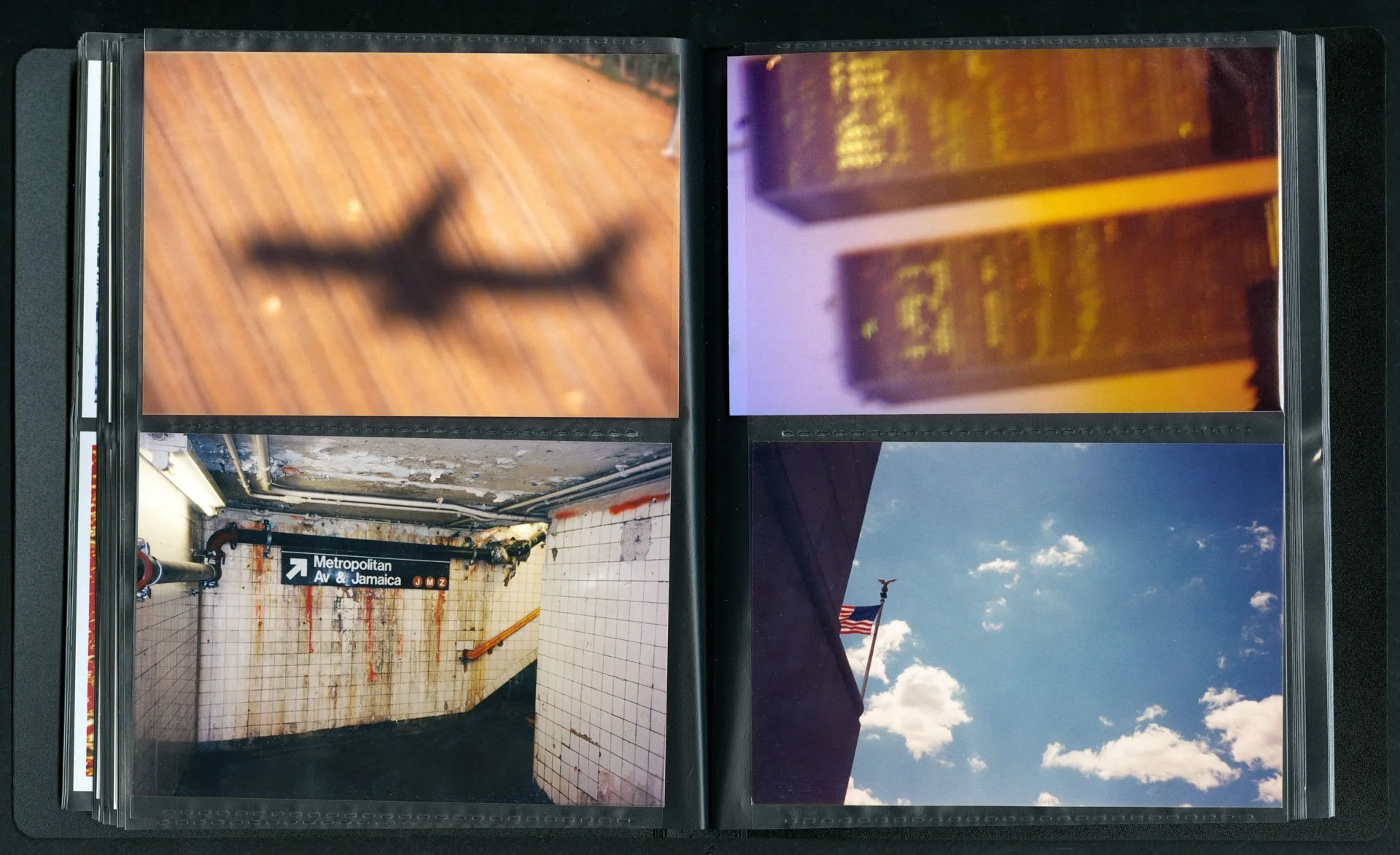
Sans titre, Carnets New Yorkais, 1998 - 2005 Fine art laminated print, framed Unique piece 28 x 45 cm

Sans titre, Carnets New Yorkais, 1998 - 2005 Fine art laminated print, framed Unique piece 28 x 45 cm
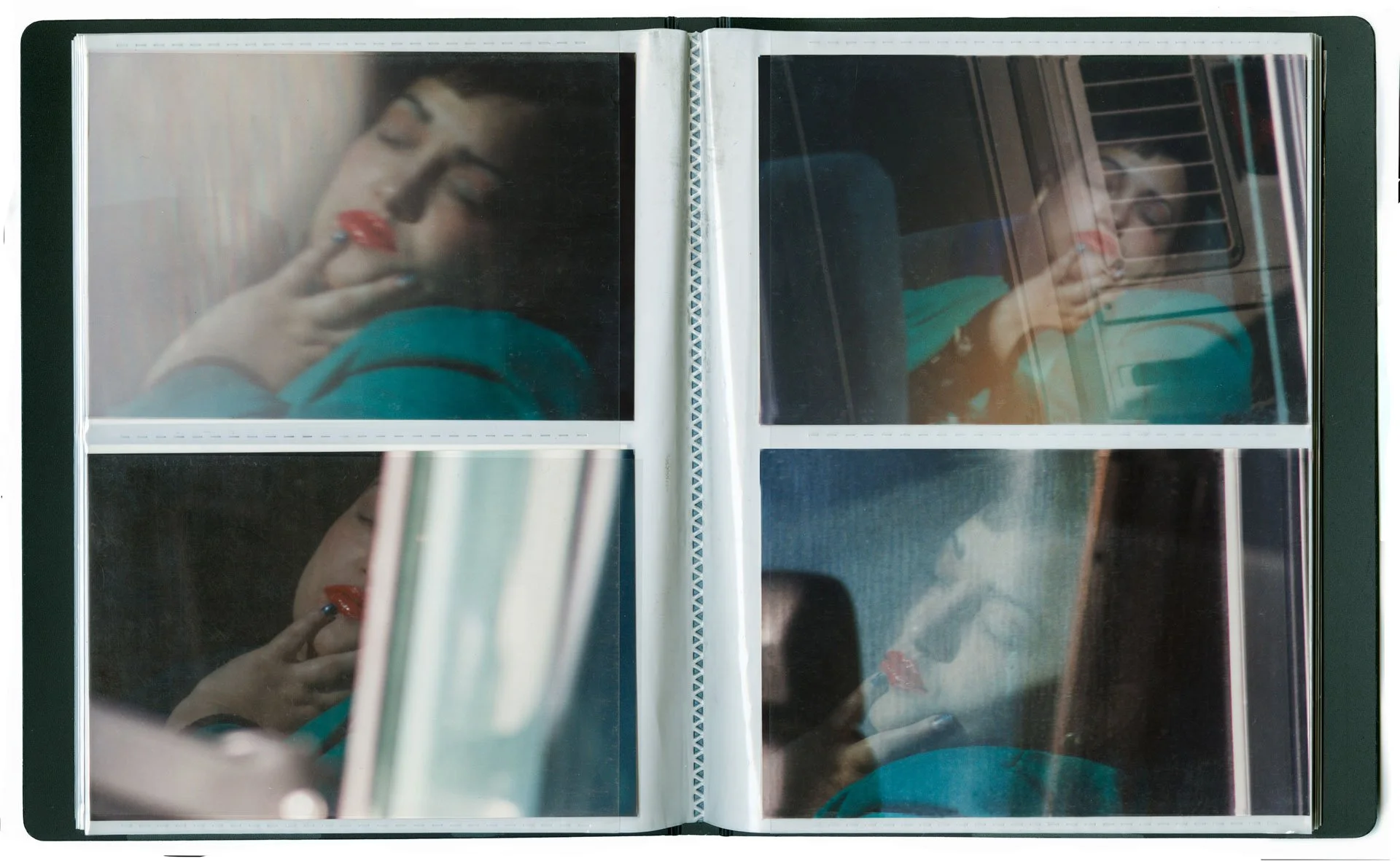
Sans titre, Carnets New Yorkais, 1998 - 2005 Fine art laminated print, framed Unique piece 28 x 45 cm
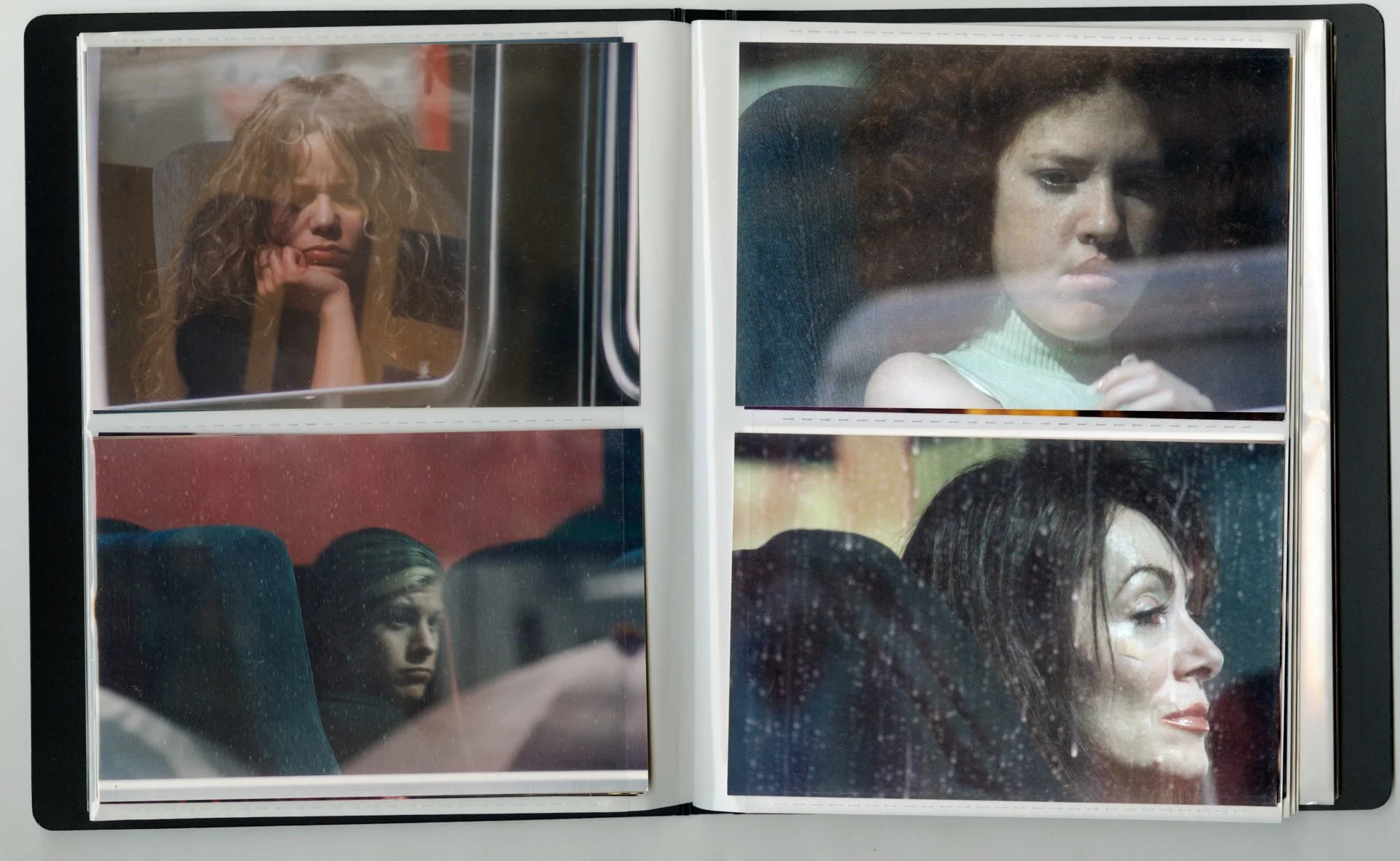
Sans titre, Carnets New Yorkais, 1998 - 2005 Fine art laminated print, framed Unique piece 28 x 45 cm
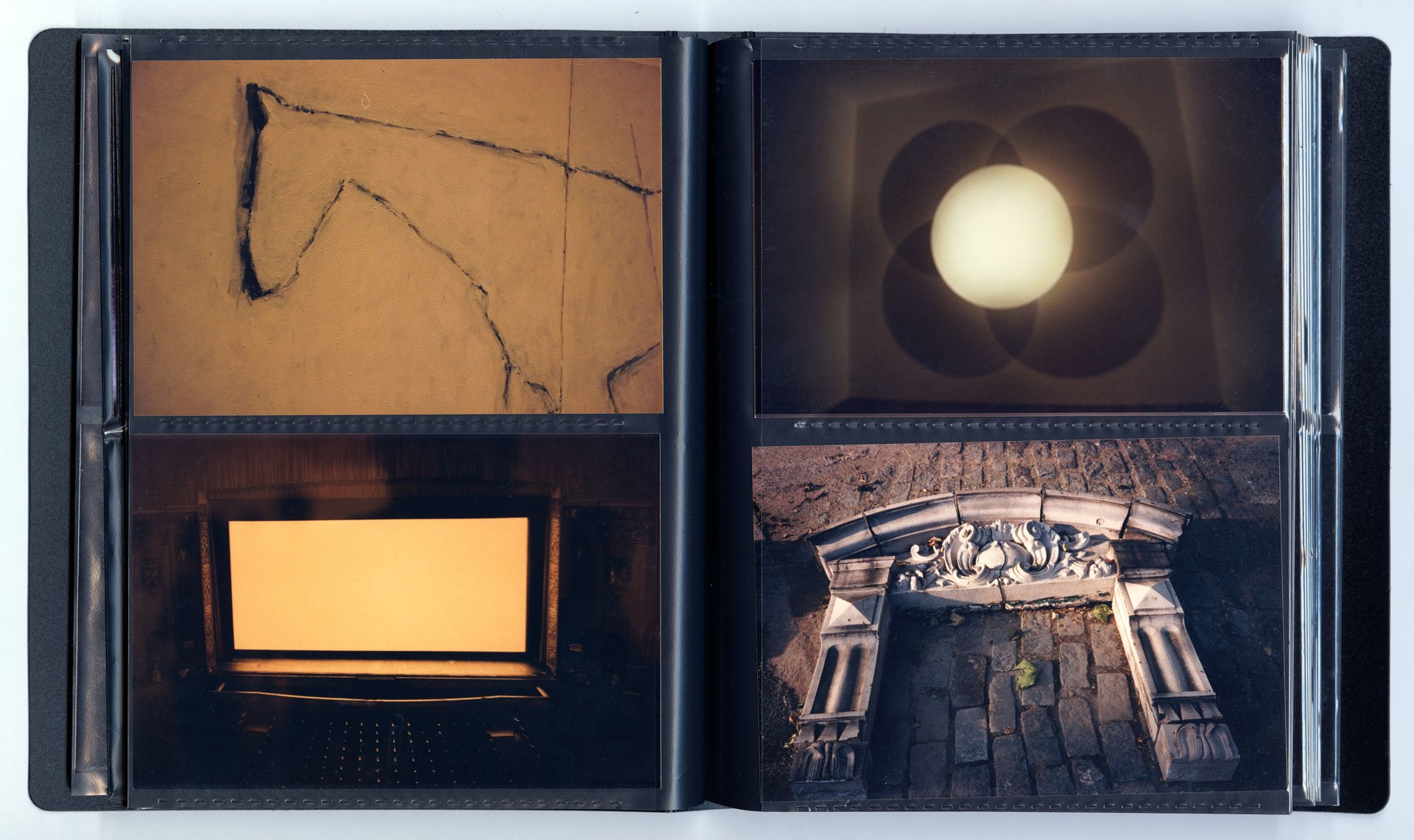
Sans titre, Carnets New Yorkais, 1998 - 2005 Fine art laminated print, framed Unique piece 28 x 45 cm
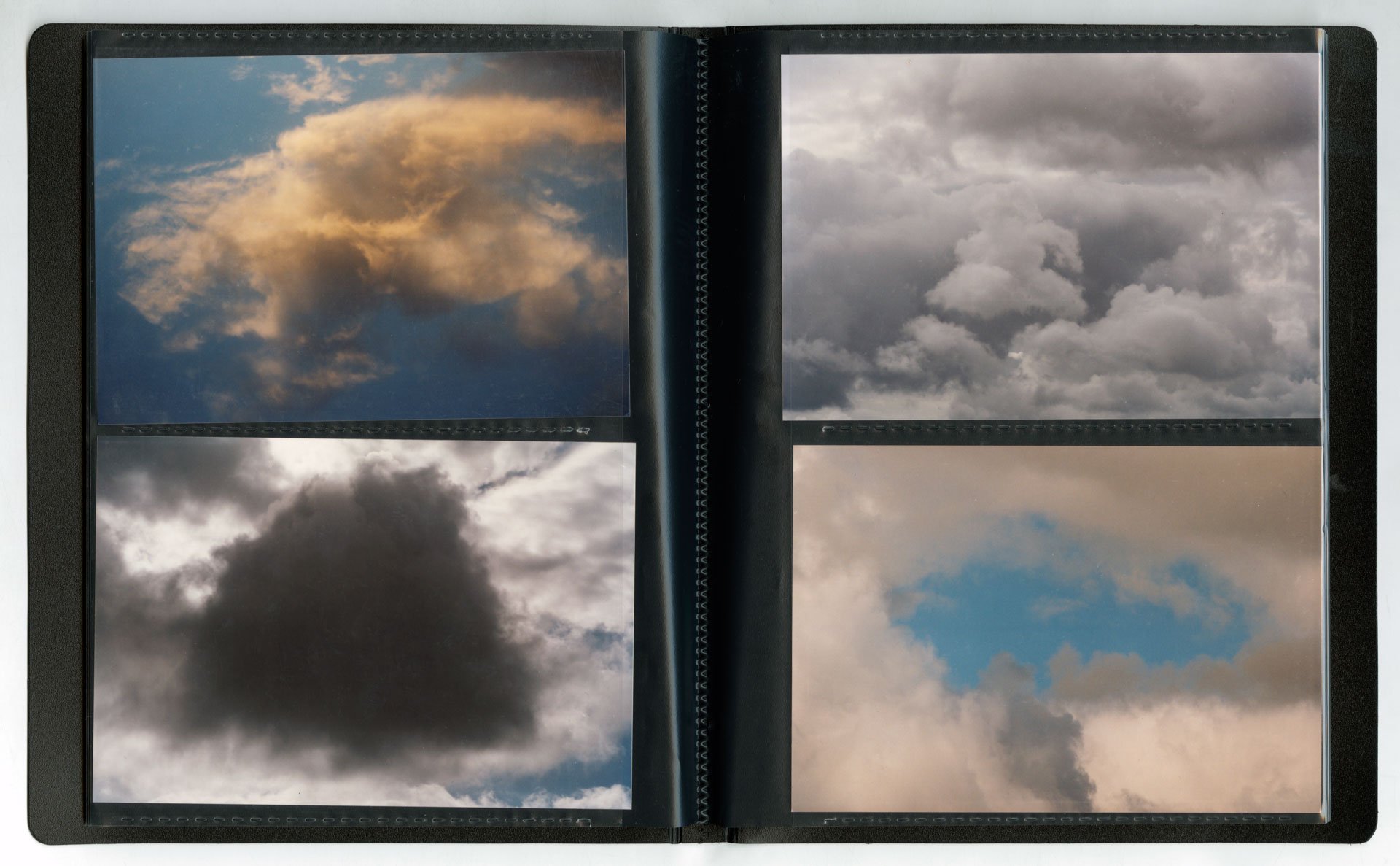
Sans titre, Carnets New Yorkais, 1998 - 2005 Fine art laminated print, framed Unique piece 28 x 45 cm
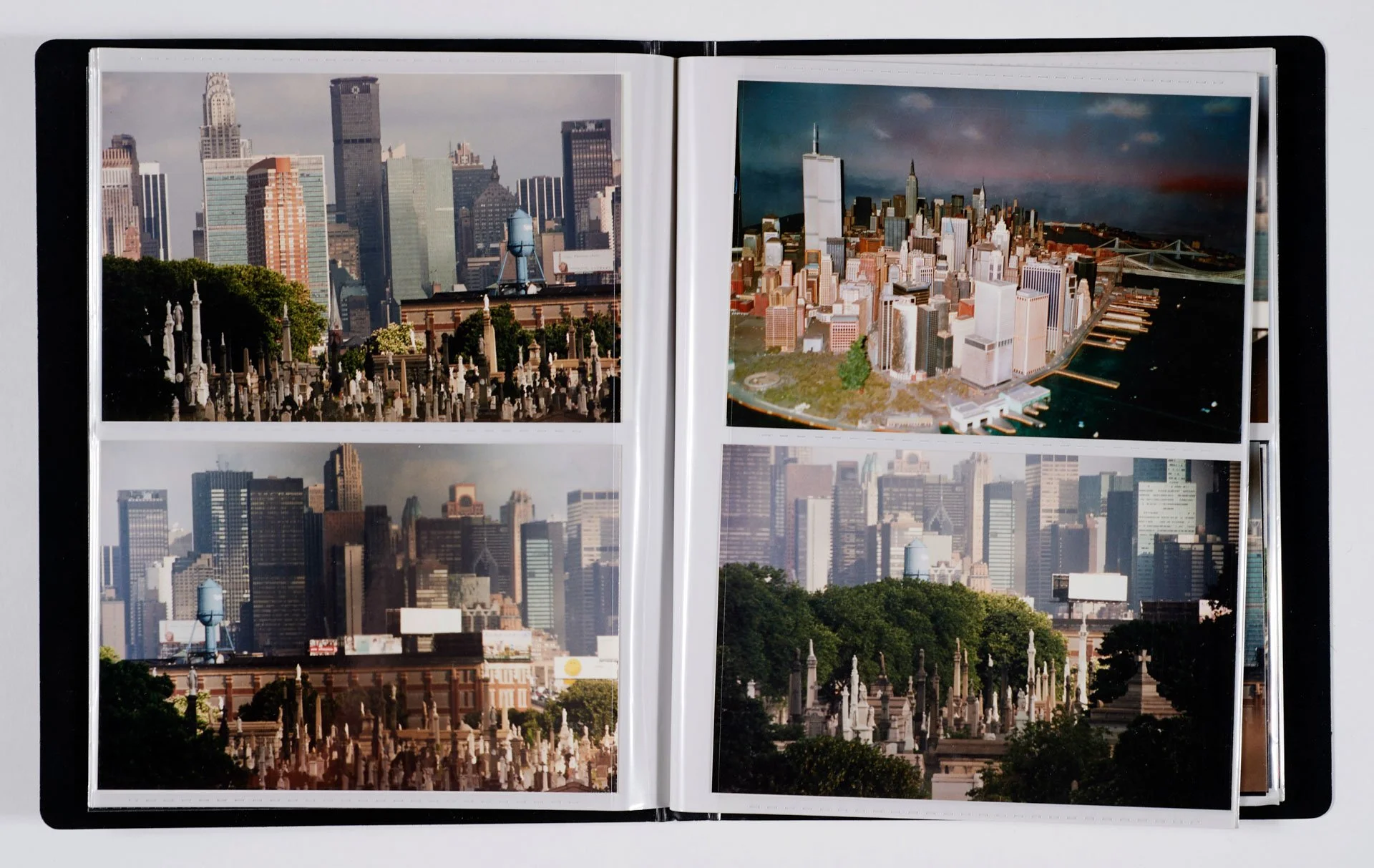
Sans titre, Carnets New Yorkais, 1998 - 2005 Fine art laminated print, framed Unique piece 28 x 45 cm
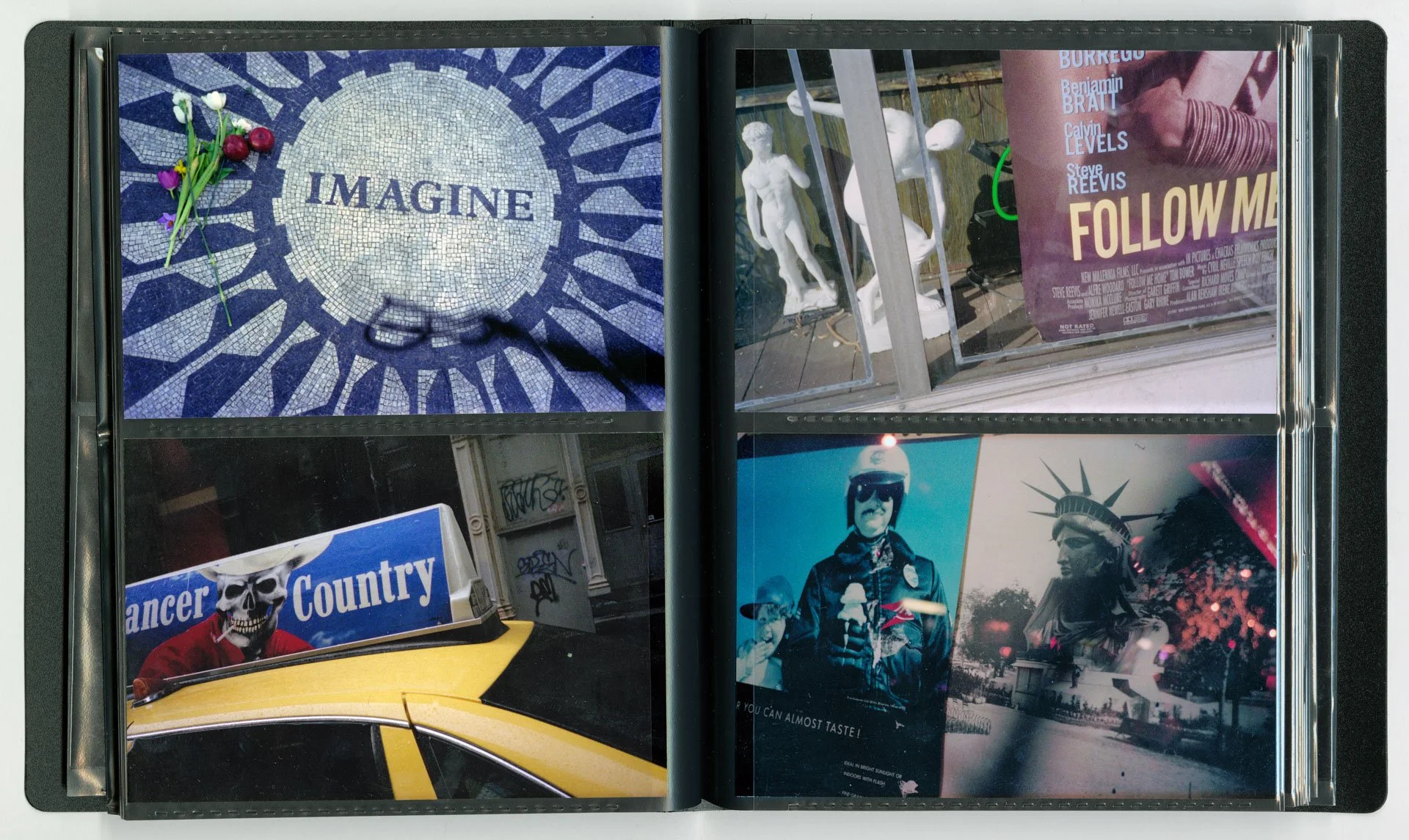
Sans titre, Carnets New Yorkais, 1998 - 2005 Fine art laminated print, framed Unique piece 28 x 45 cm